
Transforming Warehouse Receiving with Digital Tracking and Automation
Managing incoming shipments can be a daily struggle for many manufacturers. Unexpected deliveries, difficult coordination with carriers, and time lost tracking down urgent parts.
At Liebherr’s facility in Nenzing, these challenges were all too familiar. To address them, the company recently deployed a digital solution known as the Incoming Goods Suite (IGS), transforming how materials are received, tracked, and managed.
Greater Visibility from Dock to Storage
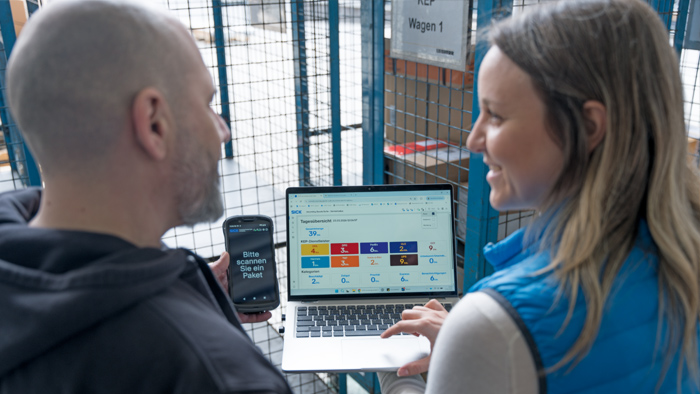
In an ideal logistics operation, shipments are communicated in advance by carriers. With IGS, Liebherr now captures and centralizes this information, giving teams real-time insight into what is scheduled to arrive, what has already been processed, and what’s still outstanding.
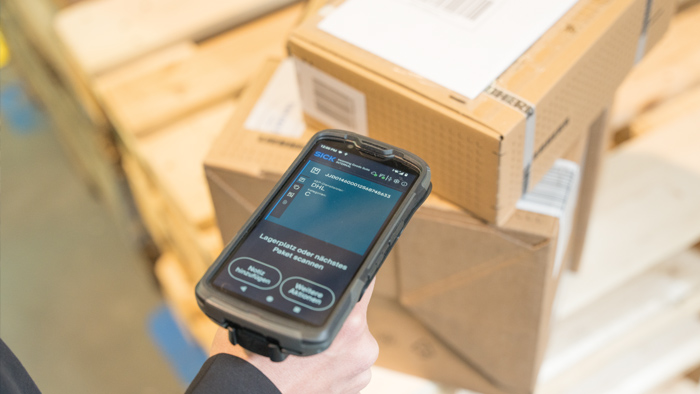
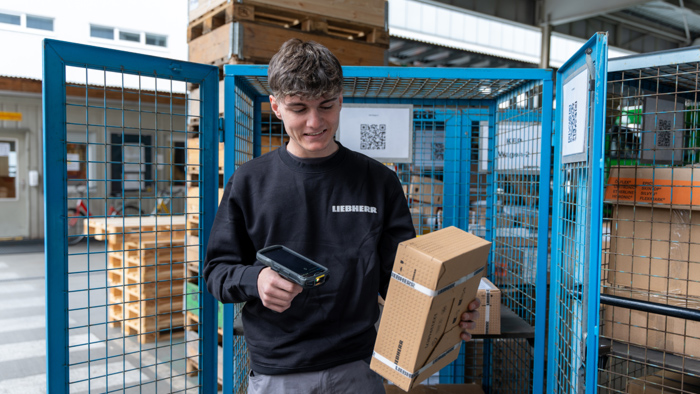
Once goods reach the receiving area, they are checked in and assigned a designated storage location. This process is completed using a mobile scanning application developed by SICK, allowing staff to quickly digitize and store critical shipment details. The result is a significant reduction in time spent locating materials, especially when production teams need parts on short notice.
Faster Processes and Measurable Gains
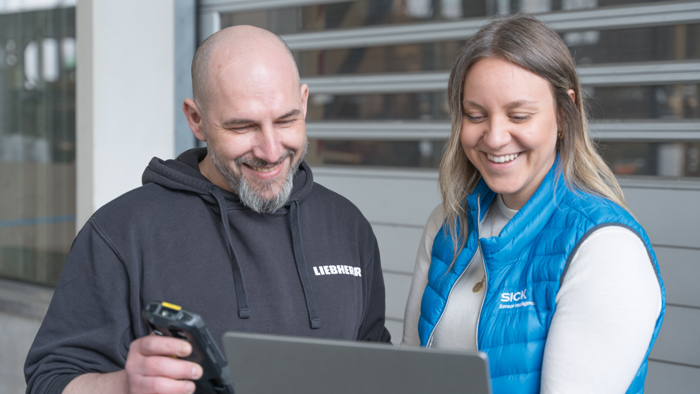
The impact of digitizing goods receipt operations became clear almost immediately. Tasks that previously required manual coordination, such as verifying deliveries or communicating with parcel carriers, are now handled more efficiently and transparently.
The improvements go beyond convenience. Liebherr has achieved tangible operational benefits, including:
- Reduced time spent searching for incoming goods
- Improved workflow through prioritized handling of urgent shipments
- Smoother communication across departments
According to the project team, automating these processes has saved more than 350 labor hours in a single year, delivering a direct boost to productivity and cost efficiency.
A Connected, Scalable Solution
A key factor in the project’s success was the focus on seamless integration. Rather than introducing a standalone system, the Incoming Goods Suite was embedded into Liebherr’s existing IT and logistics infrastructure.
For example, shipment notifications from carriers are automatically imported into the system, and current user roles and permissions remain intact. This ensures minimal disruption for employees while maximizing the value of the new technology.
The implementation was driven by close collaboration between Liebherr and SICK teams, combining operational expertise with digital innovation to create a solution that fits real-world workflows.
Expanding Beyond the Receiving Dock
Following the successful rollout, Liebherr is already exploring ways to extend the platform’s capabilities. Future plans include increasing visibility into internal material movements and potentially deploying the system at additional facilities.
The initiative demonstrates that improving goods receipt is about more than organization. It’s a strategic step toward building smarter, more responsive supply chains. By leveraging digital tools and automation, companies can reduce inefficiencies, improve accuracy, and better support production demands in a fast-paced environment.