

From Industry Standards to Industry Recognition: Advancing the Future of Machine Safety
Innovation in industrial automation is most valuable when it advances both productivity and safety. That principle has guided SICK for decades, and it continues to shape how we develop new technologies for increasingly collaborative work environments.
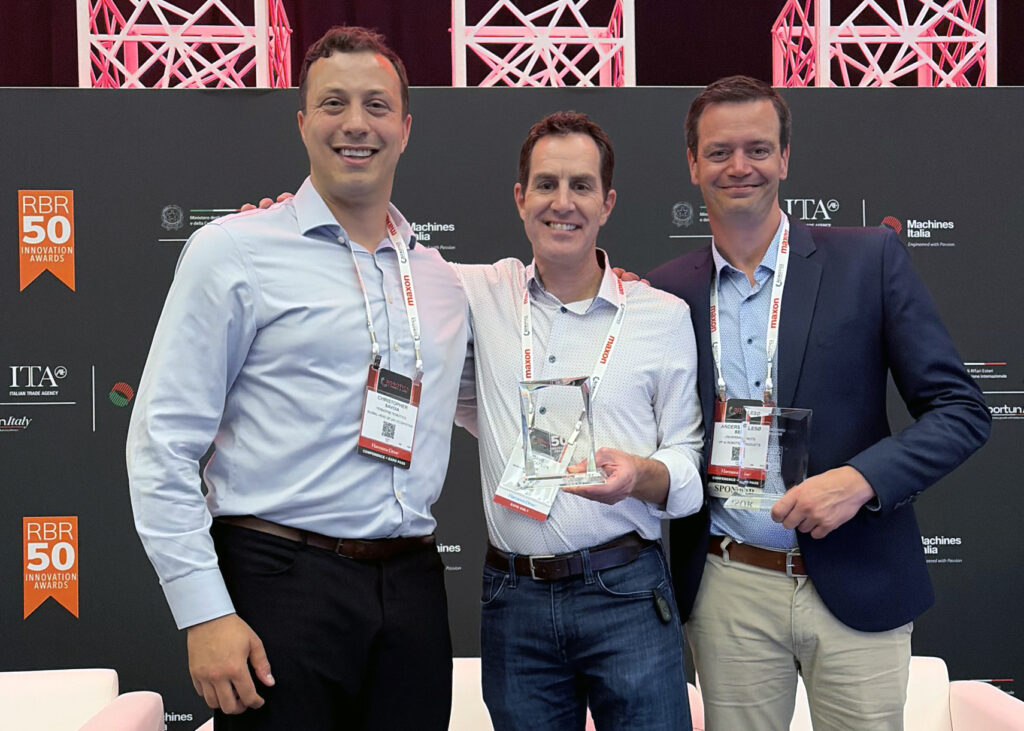
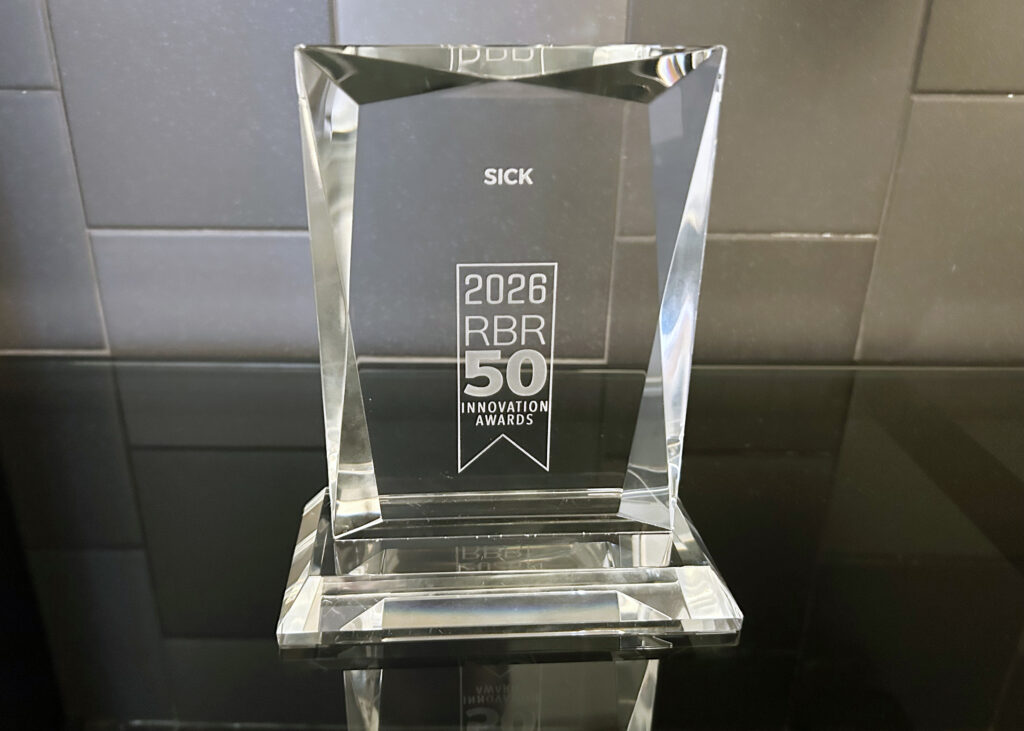
This commitment was recently recognized when the SICK End-of-Arm-Safeguard (EOAS), developed in collaboration with Universal Robots, received a 2026 RBR50 Robotics Innovation Award. The award highlights organizations that deliver meaningful technological and business innovation in robotics, and the recognition of EOAS underscores the growing importance of practical, accessible safety solutions in collaborative automation.
Solving a Critical Safety Challenge in Collaborative Robotics
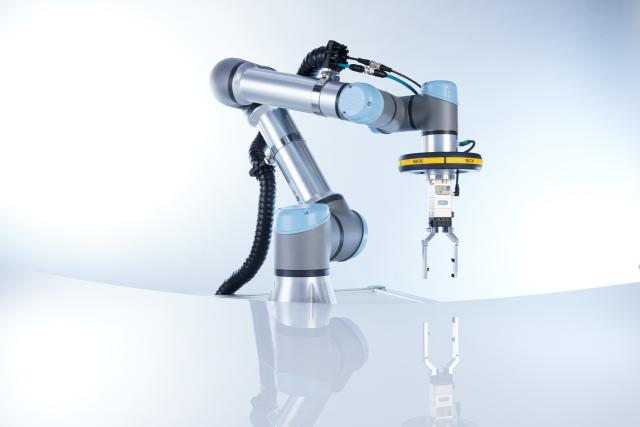
As collaborative robots become more common across manufacturing, logistics, and assembly applications, safety considerations continue to evolve. While many cobot applications are inherently designed to work alongside people, risks can still exist at the point of interaction, particularly around end-of-arm tooling, grippers, and workpieces.
The End-of-Arm-Safeguard was developed to address this challenge. The solution creates a protective field directly around the robot tool, providing contactless collision avoidance precisely where protection is needed most. Unlike traditional safeguarding approaches that focus on larger perimeter areas, EOAS moves with the robot arm and protects the active work zone throughout the application.
By helping prevent collisions before they occur, EOAS reduces the risk of crushing injuries while supporting productive human-robot collaboration. The result is a solution that helps customers improve both safety and operational efficiency without compromising flexibility.
Safety is More Than a Product Feature
At SICK, safety is not simply one component of our portfolio. It is a core priority that influences how we innovate, invest, and partner with customers. The recognition of EOAS reflects a broader commitment to developing technologies that make advanced safety more practical, effective, and accessible across industries.
This commitment extends beyond product development. SICK actively contributes to industry standards and collaborates with organizations, partners, and standards committees dedicated to advancing machine safety and protecting both people and processes. By helping shape best practices and supporting the evolution of safety standards, we work to ensure that innovation and worker protection continue to advance together.
Awards such as the RBR50 provide valuable validation that the industry's most pressing safety challenges are being addressed in meaningful ways. The recognition of EOAS demonstrates that customers, partners, and industry leaders increasingly recognize the importance of safeguarding solutions that enable closer and more efficient human-robot collaboration.
More importantly, the award signals that safety innovation continues to be a critical area of advancement within robotics. As organizations seek to deploy automation in ways that are both productive and responsible, solutions like EOAS help bridge the gap between operational performance and worker protection.
Looking Ahead
The 2026 RBR50 award is an exciting milestone, but it also reinforces a larger mission. SICK will continue investing in innovative, industry-first safety technologies designed to help customers automate with confidence.
Whether through groundbreaking products like the End-of-Arm-Safeguard, participation in standards development, or ongoing collaboration with industry partners, our focus remains the same: creating safer environments where people and machines can work together effectively.
The recognition of EOAS is not just an acknowledgment of a single innovation. It is evidence of SICK's enduring commitment to making safety smarter, more accessible, and more valuable for customers around the world.