
Reinventing Agriculture with Data, Automation, and Year-Round Indoor Growing
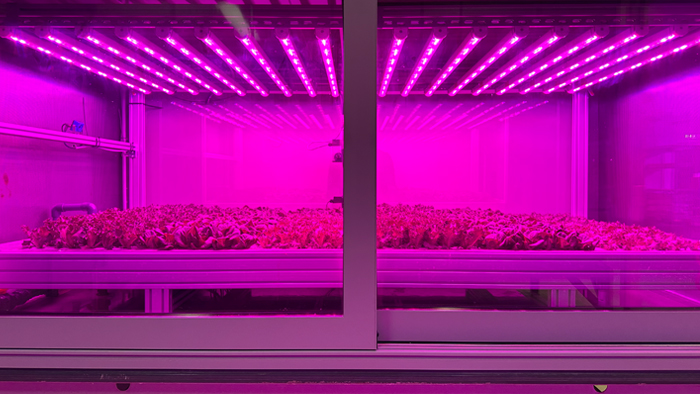
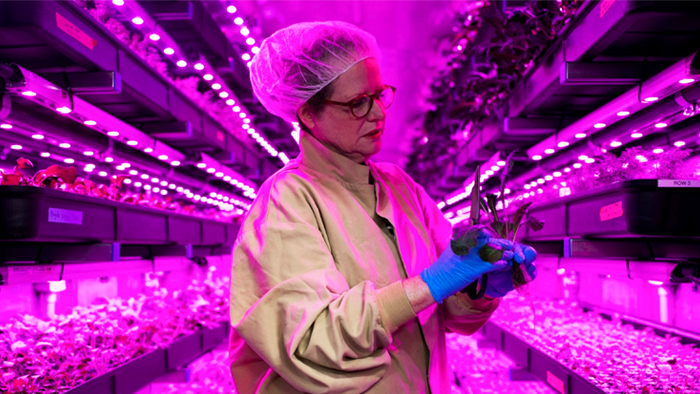
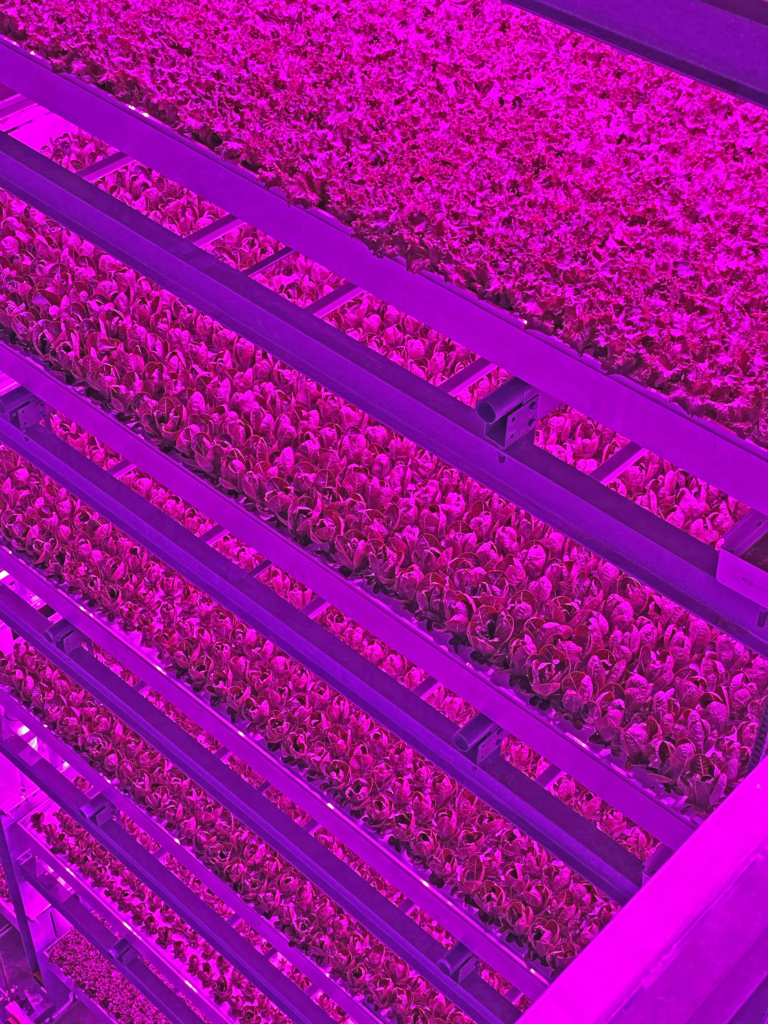
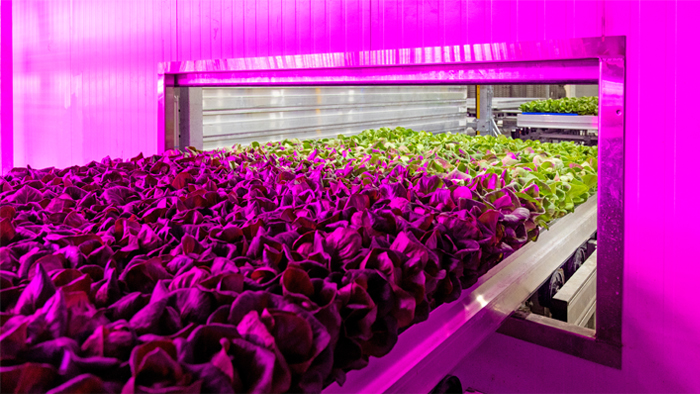
Step inside a modern indoor farm, and you won’t find rows of soil stretching across open fields. Instead, you’ll see layers of leafy greens stacked high on shelving systems, thriving under carefully calibrated LED lighting. This is the new face of agriculture. One that blends plant science with advanced engineering.
At facilities operated by Infinite Acres, a Dutch‑American subsidiary of the vertical farming company 80 Acres Farms, food production has become a highly controlled, data-driven process. Every aspect of plant growth is managed through a combination of automation, climate control systems, and real-time analytics. The result? A farming model designed to deliver consistent yields regardless of weather, season, or geography.
Farming Without Limits
The promise of vertical farming is simple but powerful: grow fresh produce anywhere, anytime. By eliminating reliance on traditional farmland and unpredictable climate conditions, these indoor environments aim to produce food closer to where people live.
This approach also significantly reduces resource use. Compared to conventional farming, vertical systems use less land and water while eliminating the need for chemical pesticides. But to make this work, one factor must remain perfectly stable: the internal climate.
Inside these farms, airflow, temperature, humidity, and CO₂ levels are continuously regulated. Even a minor disruption, like a malfunctioning fan or motor, can quickly throw off that balance. When conditions shift, plants can become stressed, growth rates decline, and entire crops can be put at risk.
Why Predictive Maintenance Matters
In traditional farming, issues are often spotted visually. A farmer walks the field, notices a problem, and takes action. That approach doesn’t scale in a fully automated indoor facility.
“In high-tech agriculture, you need to identify issues before they impact production,” said Michele Savino, SICK Global Industry Manager Consumer Goods, who focuses on vertical farming. In this environment, predictive maintenance isn’t optional. It’s essential.
Every component in a vertical farm, from pumps to conveyor systems, must operate flawlessly. Downtime can mean lost revenue and wasted resources, making early detection critical.
Smart Sensors Keeping Operations Running
To address this challenge, Infinite Acres uses advanced condition-monitoring technology to track equipment health in real time. One example is SICK’s Multi Physics Box MPB10, a compact sensor designed to monitor key performance indicators in machinery.
Installed directly on critical components like motors, fans, or conveyor systems, the device continuously measures vibration, shock, and temperature. These data points help identify early warning signs of mechanical issues, such as bearing wear, imbalance, or overheating.
The sensor can be mounted quickly using either a magnetic base or standard fasteners, making it easy to deploy across complex systems. Once active, it feeds actionable insights into the farm’s larger digital infrastructure.
The goal is straightforward: catch small issues before they escalate. In many cases, maintenance teams can intervene early, sometimes resolving problems with minimal effort, before operations are disrupted.
A Partnership Driving Innovation
The collaboration between Infinite Acres and SICK began a few years ago through a partner organization involved in indoor farming. The introduction of condition-monitoring technology quickly gained traction.
According to Tisha Livingston, CEO of Infinite Acres, partnerships like this are key to accelerating progress in the industry.
“By working together in a partnership environment, we’re accelerating innovation and delivering real, practical solutions to market more quickly,” Livingston said. “That isn’t just good for us. It drives standardization and efficiency across the entire vertical farming industry.”
Building a Fully Connected Farming Ecosystem
Today’s vertical farms rely on more than just sensors. They operate as fully integrated systems where hardware and software work together seamlessly.
Beyond condition monitoring, Infinite Acres incorporates machine vision tools to assess crop quality and traceability solutions to track produce from seed to store shelves. These technologies ensure that every step of the growing and distribution process is monitored, verifiable, and optimized.
“In the past, the human eye was the maintenance system,” Savino said.
People listened, looked, and that was about it. For a highly automated indoor farm, that’s simply not enough.
In Infinite Acres’s facilities, the sensor is used in their proprietary airflow system, the area where motors and shafts ensure a constant airflow. The Multi Physics Box measures vibrations, shocks, and temperature directly at the unit.
“When something happens in the motor, we see it early – before it becomes critical,” Savino said.
The data collected is streamlined and easy to use. Systems can be configured with predefined thresholds, and connectivity options like IO-Link allow for smooth integration into broader operational networks. A centralized interface connects these devices to the farm’s digital ecosystem, enabling real-time visibility and control.
Scaling Across the United States
Infinite Acres has already established a growing presence across multiple states, including Ohio, Kentucky, Georgia, South Carolina, Texas, and Colorado. These facilities supply fresh greens to major grocery retailers while demonstrating the scalability of vertical farming.
The company also positions itself as a technology provider, offering its farming platform to partners around the world. This includes everything from system design and construction to ongoing operation and maintenance.
With energy costs and capital investments continuing to challenge the economics of indoor farming, maximizing efficiency is more important than ever. Reliable equipment, supported by predictive maintenance, plays a major role in ensuring long-term success.
The Future of Agriculture Is Data-Driven
A pilot installation in a field lab in Den Haag is currently helping refine and standardize these technologies, with plans to expand across additional North American sites. The long-term vision is to create a repeatable, global model for indoor farming.
For companies like SICK, this shift highlights the evolving role of sensor technology. What was once used solely for measurement is now a critical component of intelligent, resilient production systems.
As vertical farming continues to grow, the combination of automation, artificial intelligence, and real-time monitoring will reshape how food is produced, bringing agriculture closer to urban centers and making supply chains more reliable than ever before.