
TwoTronic utilizes LiDAR technology for vehicle return with a Digital Vehicle Scanner
Picture this. It’s a busy afternoon at a car dealership. A customer pulls in to return their leased vehicle. Something that, not long ago, would have involved clipboards, walkarounds, and a fair bit of uncertainty.
But today is different.
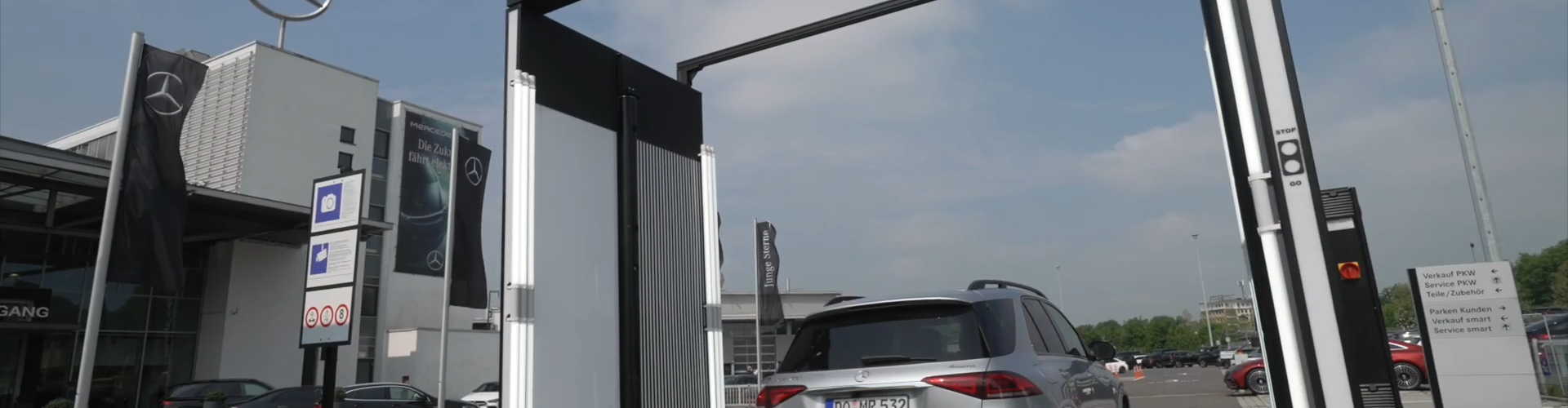
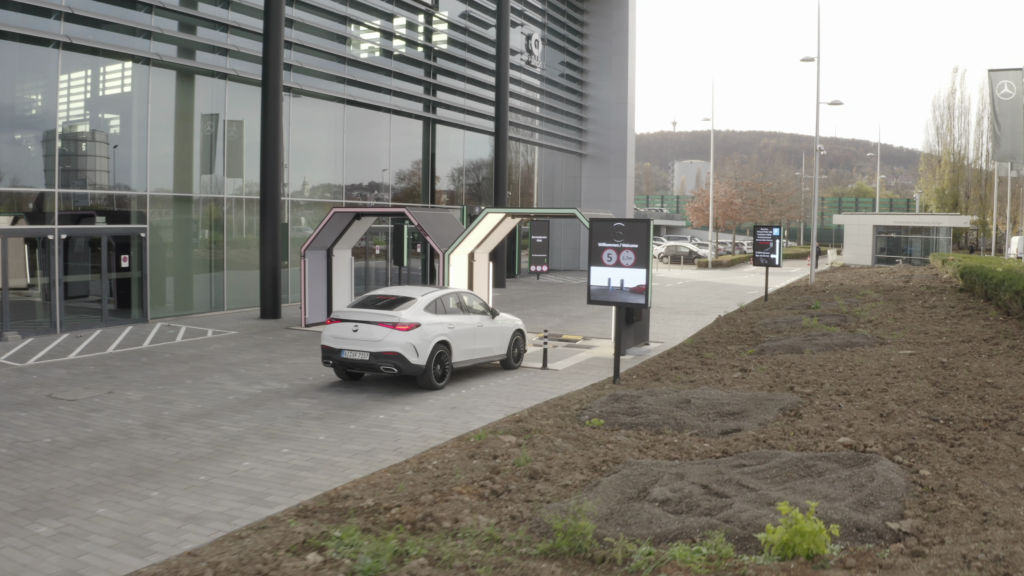
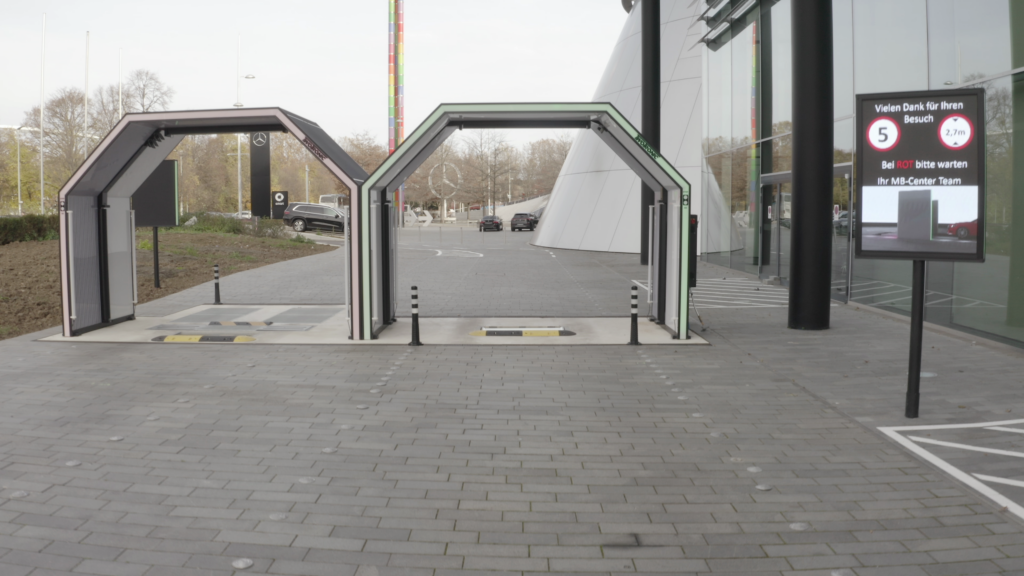
Instead of waiting for an inspector, the driver simply follows a clearly marked lane at the entrance. Within seconds, the vehicle passes through a sleek scanning portal. No stopping. No manual checks. Just a seamless, drive-through experience.
Behind the scenes, an advanced digital vehicle scanner is capturing thousands of data points, mapping the car in high-resolution 3D and identifying even the smallest dents or scratches.
The challenge: speed, accuracy, and customer expectations
From dealerships and rental agencies to logistics providers and fleet operators, organizations face a common challenge: how to inspect vehicles quickly without sacrificing accuracy.
Customers expect transparency and fairness when returning a lease or rental. Businesses, meanwhile, need consistent documentation and efficient workflows, especially at scale.
Manual inspections often fall short. They can be time-consuming and labor-intensive. Inspections are often inconsistent between inspectors and very prone to missed damage or disputes.
That’s where automation steps in, specifically, digital vehicle scanning powered by LiDAR technology.
The technology behind the experience
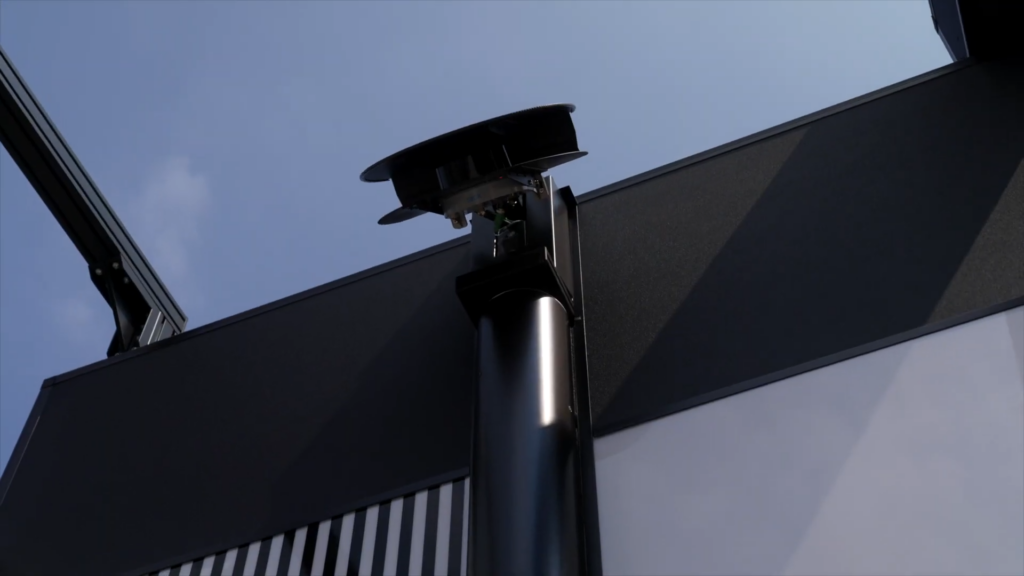
The system described above is built using 3D LiDAR sensors from SICK, integrated into a solution developed by TwoTronic. This solution transforms vehicle inspections into a continuous, data-driven process.
At its core is LiDAR, a technology that uses laser pulses to measure distance and build detailed spatial maps. Here’s what happens in real time. Drivers enter a designated scanning lane, like a car wash or toll checkpoint. Sensors and cameras capture the vehicle from multiple angles in real time. Data is then processed to generate a detailed condition report. The result is a digital “fingerprint” of the vehicle’s condition, complete with depth and surface details.
Capturing every angle, even in motion
One of the biggest challenges in vehicle scanning is maintaining accuracy while the vehicle is moving. Drivers don’t always maintain a steady speed, and environmental conditions can vary widely. To address this, the system uses advanced sensors like the MRS1000 3D LiDAR.
With its wide field of view and multi-layer scanning capabilities, it can:
- Capture the vehicle from multiple perspectives simultaneously
- Determine precise positioning in real time
- Enable high-resolution cameras to track and document every detail
Even if the vehicle slows down or accelerates slightly, the system continuously adjusts, ensuring that nothing is missed.
Additional 2D LiDAR sensors with multi-echo technology further enhance detection, allowing the system to perform reliably in challenging conditions like rain, dust, or uneven lighting.
Inspection without boundaries
Back at the dealership, the process doesn’t end when the vehicle exits the scanner. Instead of requiring an inspector on-site, the captured data is sent to specialists who can review it remotely. They analyze the images and generate a condition report, often without ever physically touching the vehicle.
This shift enables the use of centralized inspection teams for faster report turnaround and reduced operational overhead. In high-volume North American operations, this kind of scalability is a major competitive advantage.
Designed for a range of use cases
While the dealership scenario is compelling, it’s just one of many applications. Drive-through vehicle scanners are being deployed across:
- Car dealerships handling lease returns and trade-ins
- Rental companies processing high volumes of returns
- Logistics hubs managing fleet turnover
- Inspection services supporting remote assessments
Anywhere vehicles need to be evaluated quickly and objectively, this technology fits.
A partnership built on flexibility
An important part of this story is collaboration. TwoTronic didn’t just adopt off-the-shelf components. They worked closely with SICK to refine both hardware and software. Adjustments were made to ensure the system could process data efficiently and integrate seamlessly into real-world workflows.
What once required time, experience, and manual effort can now be completed in seconds, with greater precision and consistency.
For organizations across North America, 3D LiDAR-powered vehicle scanning offers more than just efficiency. It delivers better customer experience, reliable and standardized reporting, and scalable operations for high-volume environments.
And for that customer pulling into the dealership? The process feels effortless.