

Emergency Brake Assist: The Future of Operator Safety in Heavy Equipment
Construction sites are some of the toughest work environments. Between the noise, heat, steam, and constant movement, it creates a high-risk setting for operators and crews. Among the most demanding roles? Driving heavy asphalt rollers. Operators must monitor road edges, fuel and water levels, and compaction indicators, all while navigating crowded job sites. This mental and physical strain is a leading cause of accidents in road construction.

To tackle this challenge, BOMAG has introduced a groundbreaking safety feature: Emergency Brake Assist, developed in partnership with automation leader SICK. This advanced collision prevention system is now available on BOMAG’s latest generation of heavy tandem rollers, setting a new standard for operator safety and efficiency.
Why Traditional Solutions Weren’t Enough
Until now, most collision avoidance relied on reversing cameras or 360° vision systems. While helpful, these tools still require constant operator attention. BOMAG took a different approach: a system that works quietly in the background and only intervenes when necessary.
“We wanted a solution that reduces stress for the driver instead of adding more distractions,” said Frank Reinartz, BOMAG Product Manager for heavy tandem rollers.
The Technology Behind Emergency Brake Assist
This EN ISO 13849-1-certified system achieves Performance Level b and actively applies the brakes when a collision risk is detected.
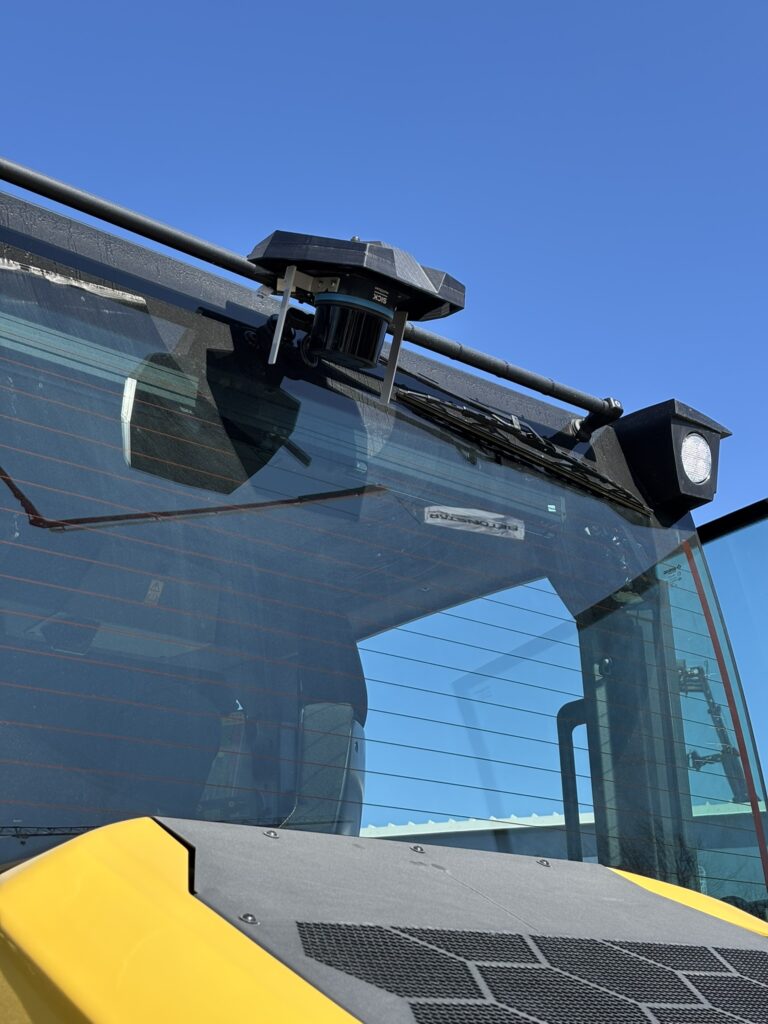
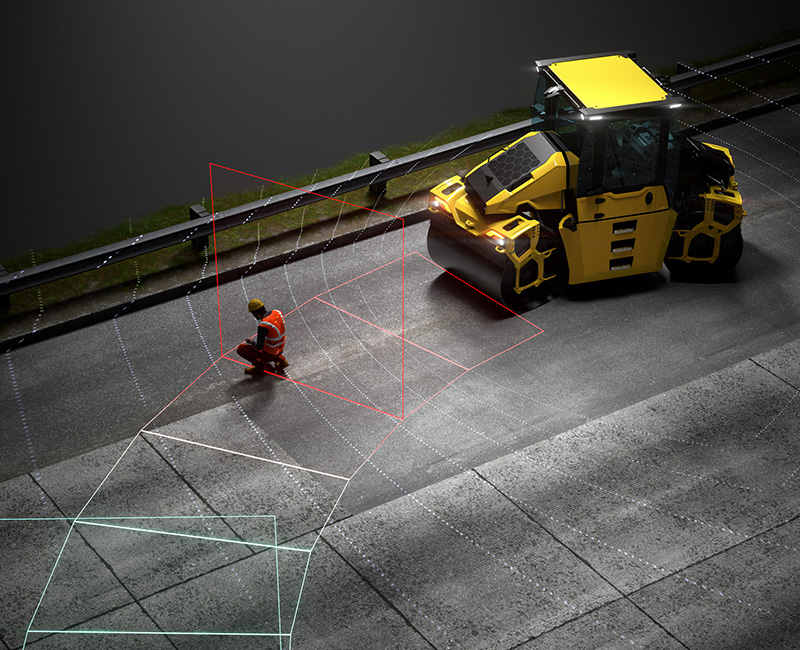
Here’s how it works. Dual 3D LiDAR sensors mounted on the front and rear of the roller continuously scan the environment. A central processing unit combines LiDAR data with machine control inputs like steering angle and speed.
Intelligent algorithms calculate dynamic routes and identify relevant obstacles, such as people, equipment, or infrastructure. If the operator is distracted or an obstacle is overlooked, the system automatically initiates adaptive braking.
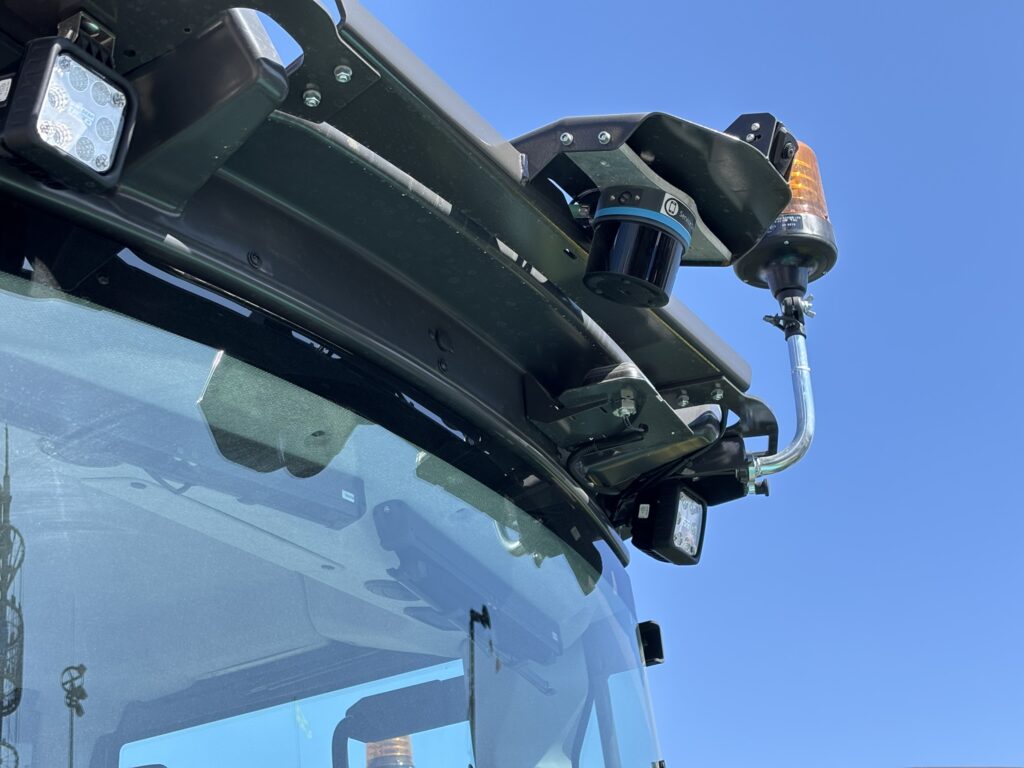
Unlike older systems that often caused frustration among operators, Emergency Brake Assist has received overwhelmingly positive feedback for its intuitive operation and ability to reduce workload in complex job site conditions.
Co-Engineering for Real-World Performance
Developed through close collaboration between BOMAG and SICK, the system underwent extensive field testing and iterative improvements. For example, early prototypes struggled with steam interference during drum sprinkling. Engineers solved this by creating a smart software filter to distinguish steam clouds from real obstacles.
This agile development process ensured the system met strict safety standards and passed rigorous GS-BAU-70 testing by Germany’s construction industry safety authority.
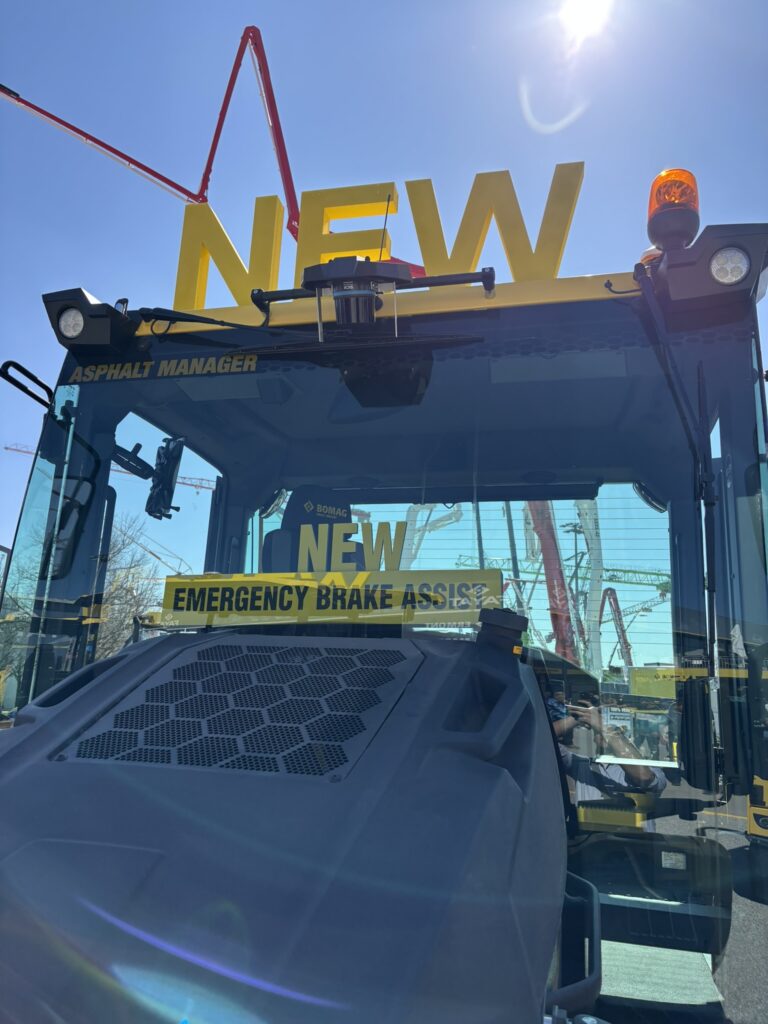
Adaptable and Award-Winning
Emergency Brake Assist isn’t just smart—it’s flexible. The system automatically adjusts when attachments like grit spreaders are added, maintaining accurate environmental monitoring.
Its innovation has earned global recognition, including the Gold Award for Innovation at Intermat Paris 2024 for its contribution to occupational safety and advanced LiDAR-based object detection.
Beyond Tandem Rollers: Expanding Safety
BOMAG’s commitment to safety extends to other machines, such as the BMP8500 multipurpose compactor. Here, a custom inertial sensor detects critical tilt angles and shuts down the hydraulic unit to prevent damage during tip-over scenarios.
This tailored approach demonstrates that true safety solutions require both cutting-edge technology and adaptation to real-world conditions.
Why It Matters
Emergency Brake Assist is more than a feature—it’s a step toward safer, smarter construction sites. By reducing operator stress and preventing accidents, BOMAG and SICK are shaping the future of road construction and mobile machinery automation.