
How Laser Distance Sensors Enhance Photo Book Production

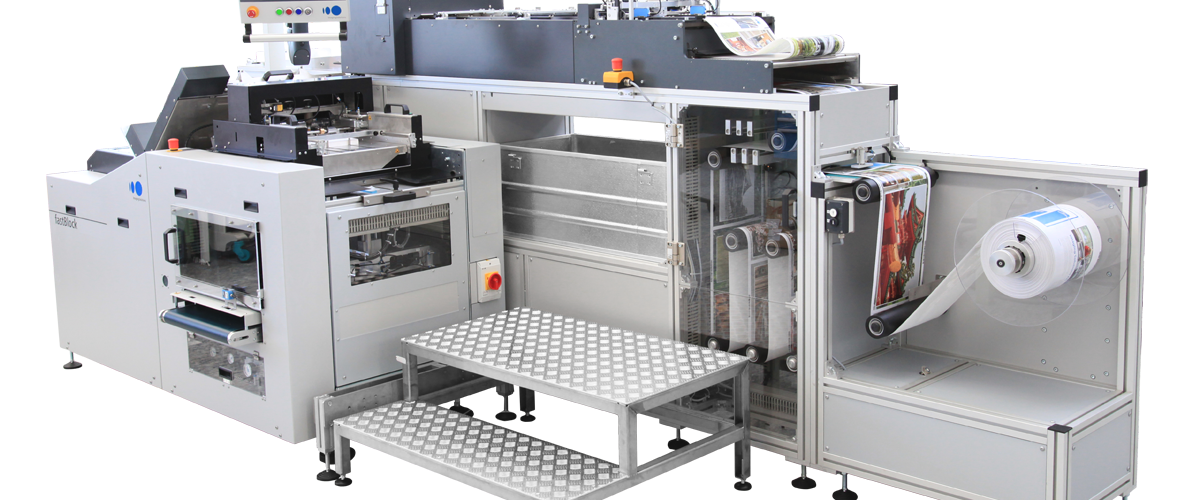
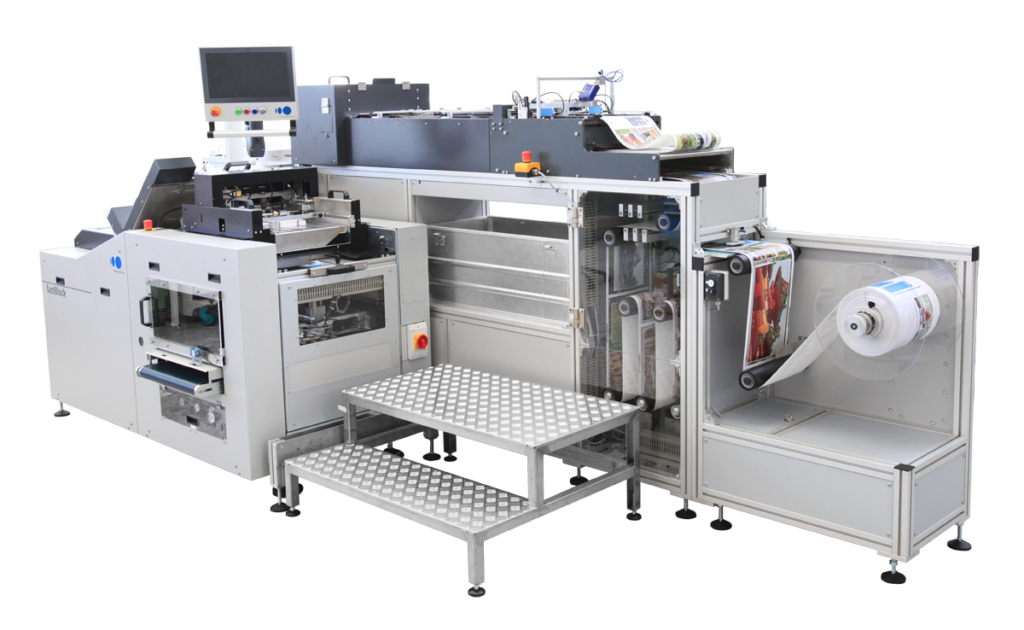
From weddings and anniversaries to vacations, pets, recipes, and everyday memories, photo books remain one of the most cherished ways people preserve life’s moments. Behind the scenes, many of the world’s premium photo books are produced on highly automated finishing systems built by Imaging Solutions, a Swiss manufacturer known globally for its advanced photo‑processing equipment. To ensure consistent quality, especially when handling glossy, delicate, or dark-printed media, the company relies on the SICK OD200 laser distance sensor for several of its most demanding measurement tasks.
High‑Quality Photo Books Require High‑Precision Automation
Worldwide, an estimated 60–70 million photo books are produced each year, with Europe accounting for nearly a third of that volume. A significant share of those books are created on machines engineered by Imaging Solutions, which has specialized in modular, automated lay flat book production since 2003.
“Our customers in the photo and print industries depend on uninterrupted, high‑quality workflows,” said Chiara Bianchi, Marketing & Video Production at Imaging Solutions. “Our systems handle everything from single sheets to sorting, feeding, and binding—and precision at each step makes all the difference.”
That precision depends heavily on sensors. And for years, Imaging Solutions has partnered closely with SICK for reliable components that support smooth, fault‑free production.
The Challenge: Glossy Paper and Dark Prints
Consumer‑ordered photo books often use glossy paper to maximize color depth and clarity. While ideal for image quality, glossy coatings present difficulties for automation, especially in processes requiring tight tolerances and exact positioning.
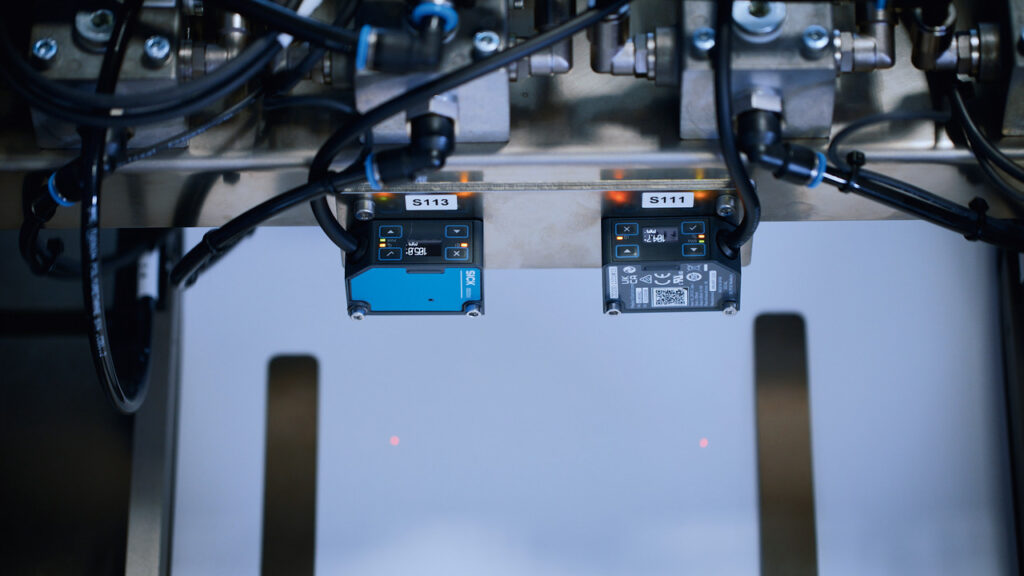
“Gloss creates mirror‑like reflections that many optical sensors struggle to read,” explains Michael Kiss, Strategic Product Manager at SICK. “Dark prints pose the opposite issue—far less reflectivity. Both can interfere with consistent distance measurement.”
This created a need for a sensor capable of handling sharp reflections and low‑contrast surfaces while still maintaining micrometer‑level accuracy. For Imaging Solutions, the thinness of the media added another layer of complexity: the glossy photo paper they process is often only 130 micrometers thick.
The OD200 laser distance sensor provided the answer.
The OD200: High‑End Precision in a Compact Format
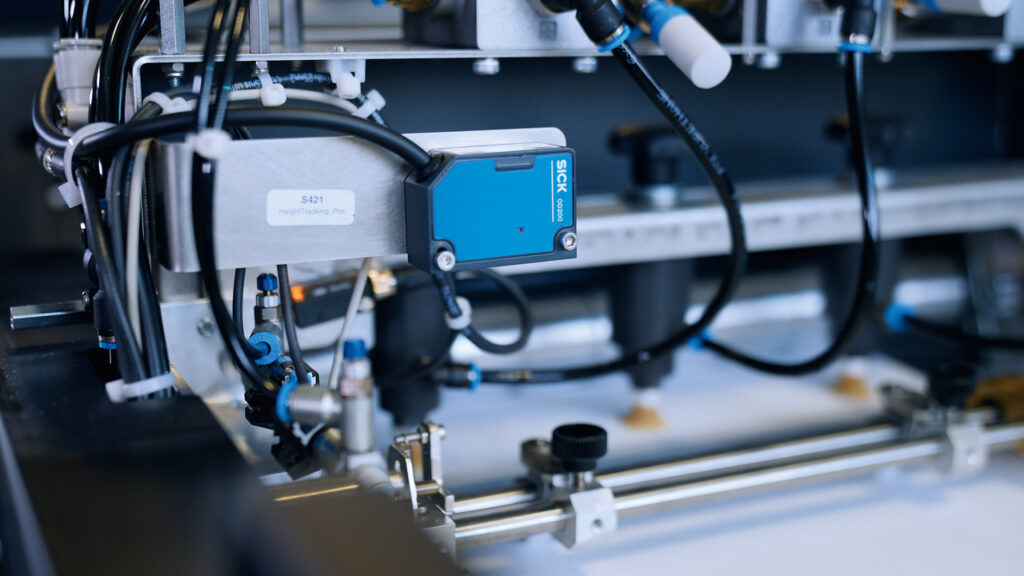
Introduced to SICK’s displacement sensor lineup in mid‑2025, the OD200 features a newly engineered measurement core, high‑resolution receiver, and optimized optical design. The result is a compact sensor that delivers precision typically found only in top‑tier devices:
- Exceptional linearity
- High repeatability
- Stable, reproducible switching performance
- Accurate detection even on glossy or low‑reflective materials
“Even with challenging surfaces, the OD200 gives us the precision we need,” said Patrick Häni, CPO at Imaging Solutions. “It immediately improved reliability in some of our most sensitive applications.”
Multiple Measuring Tasks, One Sensor Family
The OD200 plays several key roles inside Imaging Solutions’ automated photo book systems:
Sheet Separation and Stack Height Control
At the entry station, stacks of photo paper are inserted and then separated sheet by sheet. One OD200 continuously measures the stack height, while another ensures paper is still present. These measurements allow the system to raise the stack to exactly the right position for the vacuum pickup system to lift each sheet cleanly.
“Consistent sheet feeding is critical,” Häni said. “The OD200 ensures the top sheet is always within the perfect range for reliable separation.”
Card Stock Feeding for Covers and Inserts
Elsewhere in the machine, the OD200 supports precise detection and alignment of thicker substrates such as cover materials. Accurate measurement helps maintain proper timing and ensures a clean, consistent bind.
Final Output Verification
In the discharge area, OD200 sensors verify the position and height of completed, bound books—another crucial quality checkpoint.
Across all these tasks, imaging Solutions reports smoother operation and fewer stoppages thanks to the sensor’s repeatable accuracy.
A Partnership That Drives Innovation
For years, Imaging Solutions and SICK have collaborated on new ideas to improve automation, increase throughput, and enhance quality control. This ongoing exchange has led to faster development cycles, tailored solutions, and deeper integration of advanced sensor technology.
“We know we can rely on SICK’s expertise and responsiveness,” Häni said. “Whenever we bring forward a new requirement, they quickly help us pinpoint the right approach. It’s a partnership that continually improves our process performance.”
Both companies are already exploring future enhancements, including the integration of intelligent camera systems to analyze complex workflows using high‑resolution imaging. The goal: even greater transparency, efficiency, and automation in photo book production.