Smarter Packaging with Digital Watermarking and Intelligent Vision Systems
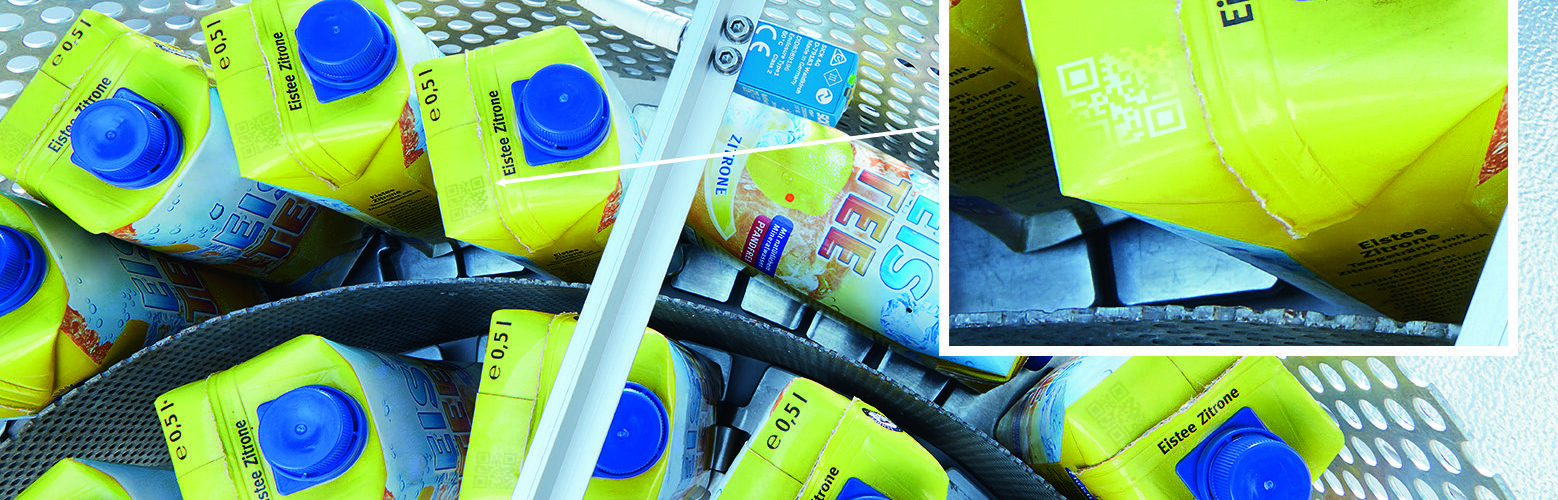
Barcodes have long been the backbone of product tracking and identification. But what if the barcode could be hidden? Embedded directly into the packaging design, invisible to the human eye, yet instantly readable by machine vision no matter the orientation of the package.
That’s the promise of digital watermarking, a technology that’s quietly reshaping how manufacturers, retailers, and logistics providers manage product data. And with SICK’s advanced camera systems, detecting these invisible codes is not only possible, but also fast, reliable, and scalable.
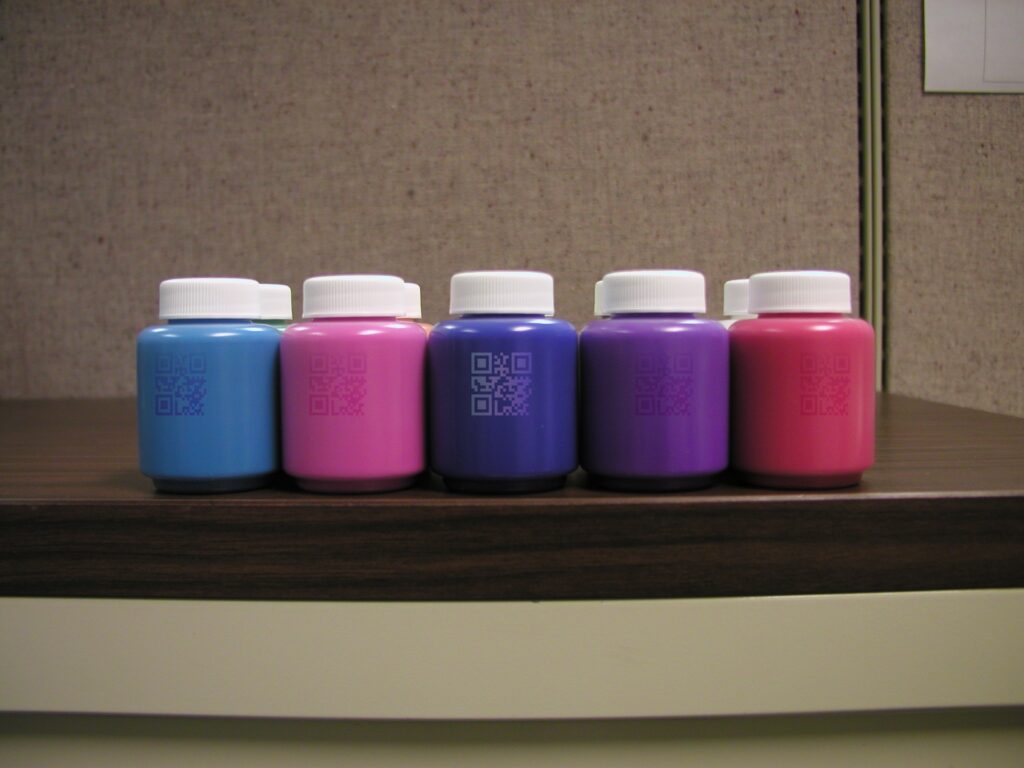
What Is Digital Watermarking?
Digital watermarking embeds a unique identifier into the visual design of a product’s packaging. Unlike traditional barcodes or QR codes, these watermarks are invisible to consumers but detectable by specialized vision systems.
The watermark is subtly encoded into the packaging’s texture, color patterns, or layout using advanced printing techniques. It doesn’t interfere with branding or aesthetics, but it carries valuable data—like product ID, batch number, or tracking information.
How SICK Cameras Make It Work
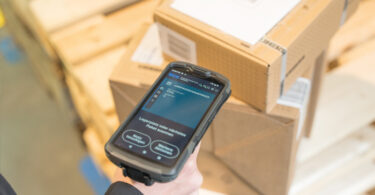
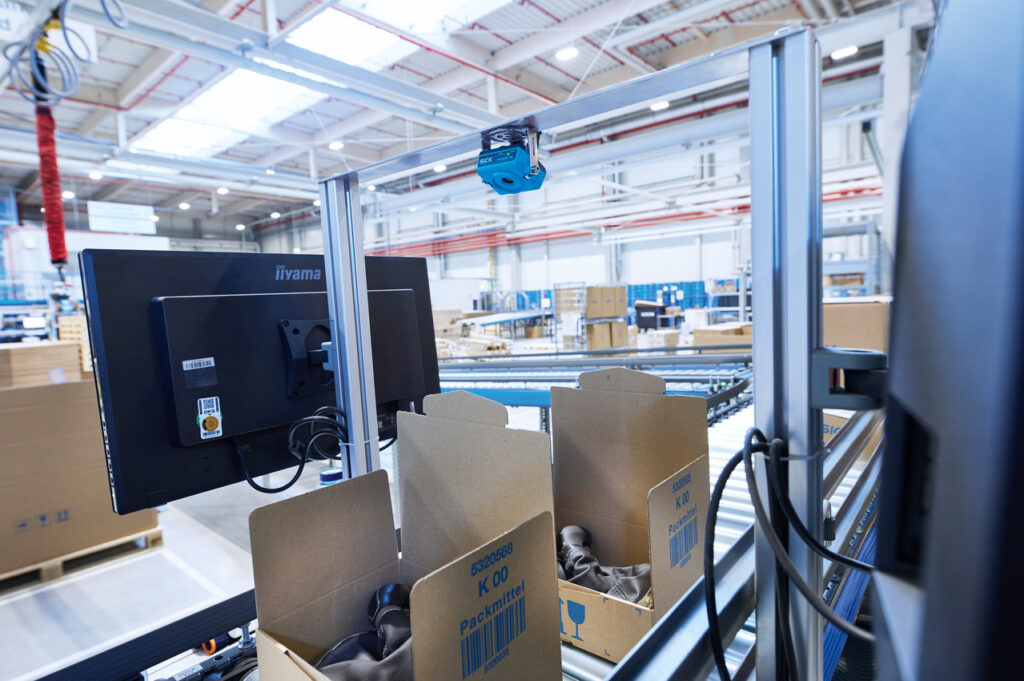
SICK’s industrial vision systems are designed to detect these hidden watermarks with precision. Using high-resolution imaging and intelligent algorithms, SICK cameras can scan products in motion on conveyor belts or shelves. They then decode embedded data in real time. Systems are also integrated with automation systems for sorting, tracking, and verification.
Whether it’s a food package, pharmaceutical label, or consumer electronics box, SICK cameras can read the invisible barcode, and feed that data into your production or logistics workflow.
Why Use Invisible Barcodes?
Invisible barcodes offer a range of benefits for manufacturers and brands looking to optimize packaging and operations. By embedding data within digital watermarks, companies can preserve packaging design without adding visible codes that disrupt branding.
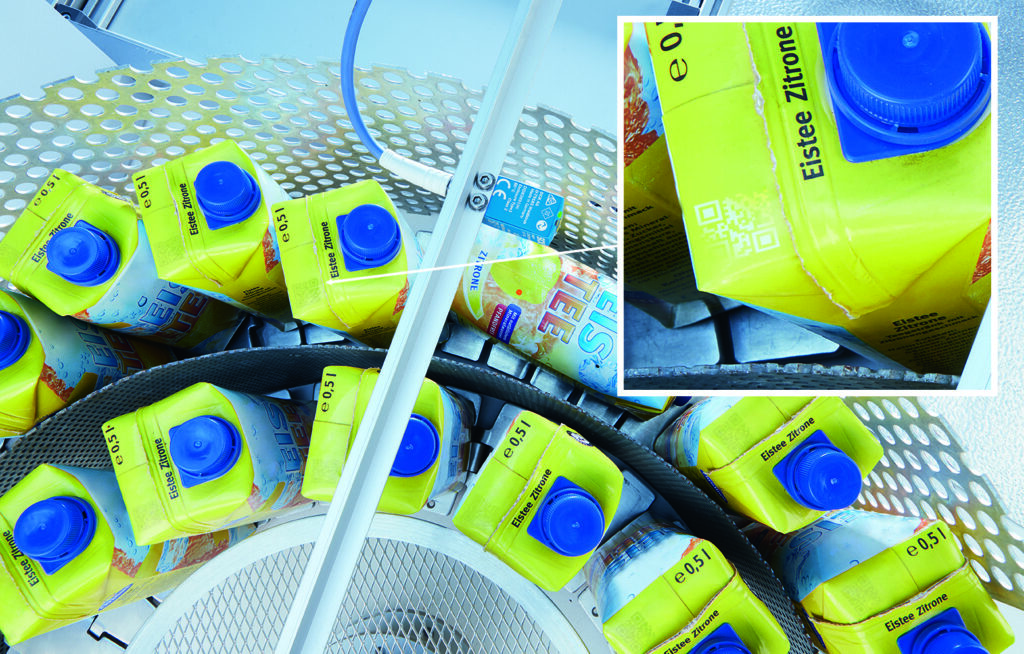
These watermarks also enhance security, making them harder to replicate and helping combat counterfeiting. In addition, invisible barcodes support high-speed automation, enabling fast, contactless scanning for streamlined workflows. Creases, scratches or other damage to the label has minimal impact on the legibility. They also improve traceability, allowing businesses to track individual items, batches, or entire shipments with embedded data, all without compromising aesthetics.
Real-World Applications
The versatility of invisible barcodes makes them valuable across multiple industries. In food and beverage, they help monitor freshness, origin, and batch details without cluttering labels. Pharmaceutical companies use them for invisible serialization to ensure authenticity and regulatory compliance.
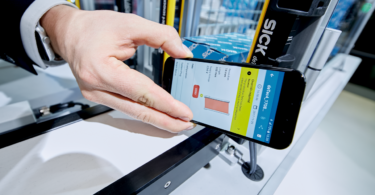
In retail, these barcodes enable smart shelves and automated checkout systems, improving customer experience. For logistics, they boost inventory accuracy and reduce the need for manual scanning, driving efficiency throughout the supply chain.

Smarter Packaging Starts Here
Digital watermarking offers a new layer of intelligence for product packaging. Combined with SICK’s powerful vision systems, it opens the door to smarter, more secure, and more efficient operations—without changing how products look or feel.
Ready to explore invisible barcodes for your application? Connect with our team or learn more about SICK’s vision solutions.